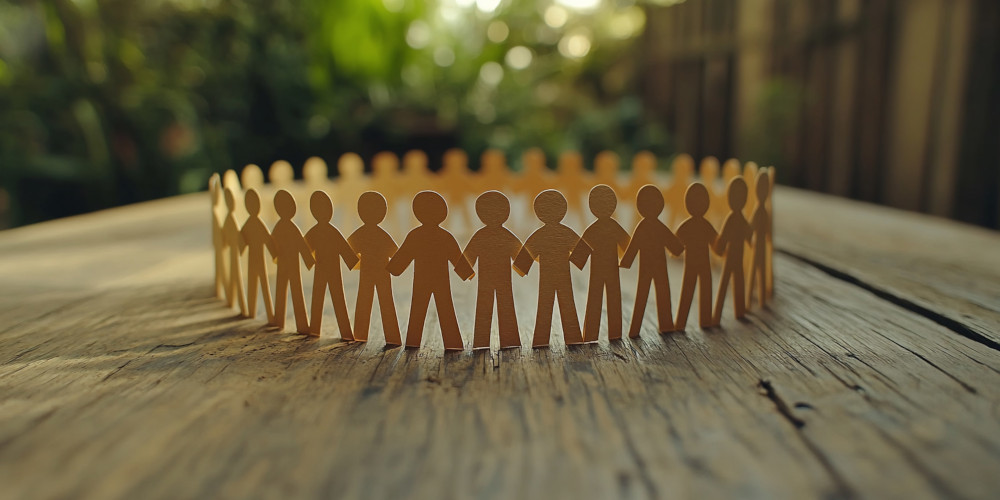
The Thing That Keeps People Alive After Rehab
Rehab Is Not the Finish Line, It’s the Starting Point
Most people think rehab is where the real magic happens. They imagine a 28-day programme that cleans someone up, fixes their thinking, heals their trauma, and sends them back into the world reborn. Families especially cling to this idea because it offers hope, the hope that once rehab ends, the chaos ends too. But anyone with real experience in addiction knows a harder truth, rehab is only the doorway. What happens after rehab determines whether the person stays sober or collapses back into old habits.
Once the structure disappears, once counsellors aren’t available 24/7, once accountability fades and emotions return in full force, the newly sober person is suddenly alone with themselves. And that is where things fall apart for most people, unless they immediately plug into a support group. Not to “join a club,” not to “be social,” not to “stay busy,” but because support groups give recovering addicts the one thing rehab can’t give forever, a community that understands exactly what their brain is capable of. Without support groups, recovery is a countdown to relapse. With support groups, recovery becomes sustainable, grounded, and real.
Why People Fool Themselves Into Thinking They Can Do It Alone
One of the most dangerous sentences in recovery is, “I’m fine now, I don’t need meetings.” It usually comes out of the mouth of someone who has just completed rehab and feels like they’ve rediscovered clarity. They feel strong. They feel motivated. They feel in control. They genuinely believe they’ve beaten addiction. And they genuinely believe that accountability, daily routines, structure, emotional honesty, and group support are now optional.
But the reality is brutal, the first few months after rehab are a psychological ambush. The brain is still recalibrating. Emotions are raw. Triggers come out of nowhere. Stress hits harder. Sleep is irregular. Relationships feel fragile. Families are still anxious. And the addict, who believes they’ve graduated from needing help, is now fighting the hardest phase of recovery without backup. Addiction does not care how motivated you are.
It waits for isolation.
It waits for stress.
It waits for silence.
It waits for the ego to return.
Support groups stop that slide before it begins.
The Myth of “I’m Not Like Those People”
Another reason addicts avoid support groups is embarrassment. They walk into a meeting and see people who look older, younger, rougher, cleaner, richer, poorer, and they think, “I’m not like them.” But this is exactly the point, addiction doesn’t care who you are. It cuts across race, age, class, education, and background. Support groups bring every version of addiction into one room and strip away the illusion of difference.
In rehab, people often talk about how liberating it feels to be surrounded by others who “get it.” But once they leave, pride creeps back in. They don’t want to admit they belong to a community of addicts. They don’t want to feel labelled. They don’t want to feel exposed. So they isolate instead of connecting, and isolation is where addiction thrives. Belonging to a support group isn’t about identity. It’s about survival.
The Accountability That Keeps People Sober
Support groups work because they remove the ability to lie. Not necessarily to others, but to yourself. Addiction’s greatest weapon is denial. It convinces a person that everything is okay when it isn’t. It tells them they’re in control when they’re not. It whispers excuses, justifications, and minimisations. But when you sit in a room with people who can hear denial in your tone before you even finish your sentence, the lies lose power.
Support groups make relapse harder because they make self-deception harder. You can tell your family you’re fine. You can tell your partner you’re fine. You can tell your employer you’re fine. But you cannot sit in a room full of addicts who have lived every version of denial and expect them to believe a single sentence that isn’t honest. Support groups force truth to the surface, and recovery cannot exist without truth.
Why Community Matters More Than Willpower
People outside addiction believe recovery is about discipline. “Just stay strong.” “Just stay focused.” “Just stick to your goals.” But willpower collapses the moment life gets hard. Stress, heartbreak, loneliness, financial pressure, relationship trouble, trauma triggers, all of these things smash through discipline like a brick through glass. Community, not willpower, is what keeps people standing.
Humans are social creatures. We regulate emotionally through connection. The recovering brain needs to be around people who validate the struggle, who understand cravings, who challenge cognitive distortions, who offer perspective, and who remind the addict that relapse is not inevitable, but isolation is dangerous. Support groups don’t just create accountability. They create belonging. And belonging is one of the strongest protective factors against relapse.
Meetings Give People a Place Where They Don’t Have to Perform
In the outside world, recovering addicts feel watched. Families question everything they do. Employers judge them. Partners worry. Friends don’t know how to interact. Everyone is waiting to see if they’ll “mess up.” This pressure becomes suffocating. The recovering addict starts performing an image of stability rather than actually living it.
Meetings are the only place where they can drop the performance. They don’t have to act strong. They don’t have to pretend they slept well, or that they’re coping, or that they’re not terrified of relapse. They don’t have to pretend at all. Meetings give recovering addicts something they rarely get anywhere else, the freedom to be honest without disappointing anyone. This emotional honesty is what stabilises recovery.
Pretending is what destroys it.
Support Groups Catch Relapse Long Before It Happens
Relapse doesn’t begin with using. It begins with behaviour, irritability, secrecy, mood swings, isolation, skipping meals, skipping sleep, skipping meetings. A person in active recovery often cannot see these shifts in themselves. Their brain is too close to the cravings. But the people in their support group can see it instantly.
A comment. A tone shift. A subtle attitude change. A small lie.
Other recovering addicts notice the things nobody else does.
Support groups are like early-warning systems. They identify the slide before the slide becomes a fall.
Why Families Can’t Replace Support Groups
Families try to be the recovering addict’s support system. They try to be counsellors, accountability partners, emotional anchors, and motivators. But they can’t do it. They’re too emotionally involved, too scared, too tired, and too hurt. Families cannot carry the weight of someone’s recovery, not because they don’t care, but because they’re not trained for it and because their own wounds make objectivity impossible.
Support groups, on the other hand, have no emotional history with the addict. They offer tough love without resentment. They offer empathy without fear. They offer truth without panic. And they offer accountability without emotional collapse. Families should offer love. Support groups should offer structure.
The Shame That Support Groups Dismantle
Shame is one of the most toxic forces in addiction. It keeps people hidden. It keeps them silent. It convinces them they’re unworthy of help. It tells them they’re broken. But shame dissolves in community. When you’re in a room filled with people who have done the same things, felt the same guilt, made the same mistakes, and survived the same darkness, shame loses its grip.
Support groups normalise the struggle in a way rehab alone cannot. They remind recovering addicts that their past does not disqualify them from a future.
Why Meetings Work Even When You Don’t Want Them To
Most addicts don’t want to go to meetings. They don’t want to show up tired, moody, or irritated. They don’t want to hear truths they’re not ready for. They don’t want to be challenged. They don’t want to be vulnerable. They don’t want to be accountable. But meetings work because they push people to show up even when they don’t feel like it. Recovery is not built on motivation. It’s built on routine.
The simple act of showing up keeps the brain stable. It keeps denial in check. It keeps cravings manageable. It keeps the addict connected to reality.
Recovery Without Community
Support groups keep people alive because they keep people connected, accountable, grounded, and honest. They offer stability when life becomes unstable. They offer perspective when the brain becomes distorted. They offer belonging when shame becomes isolating.
Rehab gives you a foundation.
Support groups build the house.
Rehab gets you sober.
Support groups keep you sober.
Rehab introduces recovery.
Support groups sustain recovery.
Nobody Recovers Alone
Addiction is a disease that isolates.
Recovery is a process that connects.
And support groups are the bridge between the two.
Without meetings, relapse becomes almost inevitable.
With meetings, recovery becomes a life, not a phase.
No matter how strong you think you are, no matter how well you’re doing, no matter how much you believe you’ve “moved on,” the truth remains,
Nobody stays clean alone.
And nobody has to.