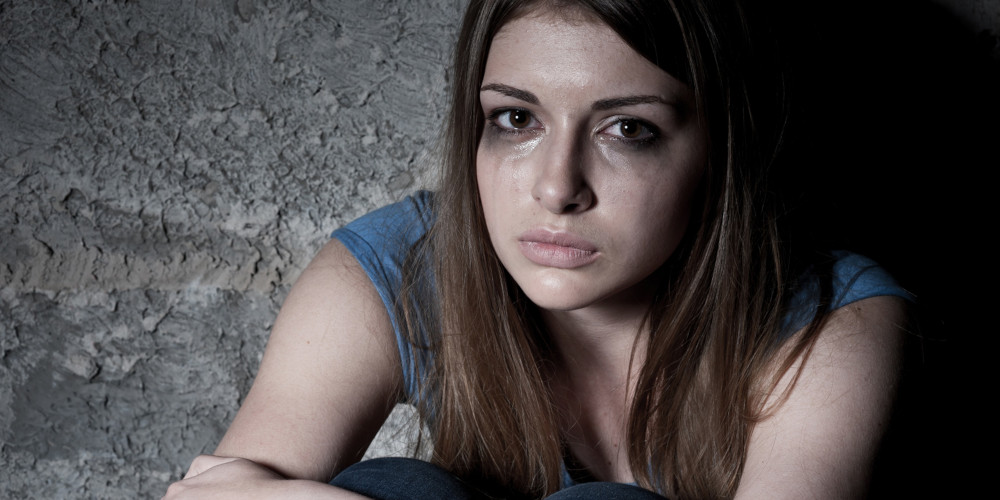
Domestic Violence and Addiction
When Addiction Enters a Home, Violence Often Follows
People like to pretend that addiction is only about substances. They talk about drinking, using, gambling, or smoking as if these behaviours exist in a vacuum. But inside real homes, behind closed doors and drawn curtains, addiction often brings something far more dangerous than the substance itself, violence. Sometimes it’s loud and explosive. Other times it’s quiet, psychological, and insidious. It might show up as screaming matches, smashed doors, broken trust, or a fear so thick that family members learn to read the addict’s footsteps like a weather forecast.
Domestic violence doesn’t always look like bruises or hospital visits. Sometimes it’s control, manipulation, emotional punishment, unpredictable moods, silent treatment, intimidation, or walking on eggshells in your own home. Addiction doesn’t create violence out of nowhere, but it magnifies anger, distorts reality, erases boundaries, and turns the home into a place where everyone is bracing for impact.
Violence Is Psychological, Emotional, and Strategic
When addiction takes hold, emotional volatility becomes a weapon. The addict might lash out in rage one moment and sink into guilt the next. They might make threats, break things, scream, swear, disappear for days, or turn the entire household against one person through blame and manipulation. These behaviours wear a family down slowly, tightening the rope around their emotional wellbeing until they stop recognising themselves.
Many families convince themselves that “at least they don’t hit me,” but violence wears many faces. Controlling someone’s movements, stealing money, threatening to leave, withholding affection, shouting obscenities, creating chaos, damaging property, or instilling fear are all forms of domestic violence. And addiction amplifies every one of them.
Substance-Fuelled Rage Doesn’t Erase Accountability
There’s a dangerous belief that drunk words or high actions “don’t count.” Families say things like, “He’s not like that when he’s sober,” or “She didn’t mean it, she was using.” But the behaviour still happened. The impact still sits in the nervous system of the partner, the children, the household. Maybe the addict becomes aggressive only when intoxicated. Maybe they become unpredictable when withdrawing. Maybe they turn toxic when their substance of choice is threatened. It doesn’t matter. The behaviour causes real harm, and blaming the substance allows accountability to evaporate.
Addiction doesn’t transform a good person into a violent one, it strips away inhibition, increases impulsivity, and unleashes emotions that were already under the surface. Violence under the influence is still violence. Sobriety doesn’t magically erase the damage.
Why Families Stay Even When They’re Terrified
People outside the situation always ask, “Why don’t they just leave?” as if leaving were as simple as packing a bag and walking out the door. The truth is far more complicated. People stay because they love the person. They stay because they remember the version of the addict who was kind, caring, funny, gentle. They stay because addiction is paired with manipulation, apologies, promises, and emotional bargaining. They stay because they’re financially trapped. They stay because they don’t want their children to grow up without a parent. They stay because they are ashamed. They stay because they hope that this time things will be different.
Addiction creates a cycle, violent behaviour, remorse, promises of change, temporary calm, relapse, chaos. Families cling to the calm because they desperately want to believe the worst moments were anomalies. But violence is never an anomaly. It is a pattern, a pattern that intensifies the longer the addiction continues.
Kids See Everything
Children in addicted homes are hyper-aware of the emotional climate. They learn to recognise tension in body language, tone of voice, silence, and slammed doors. They hear the arguments. They absorb the fear. They internalise the anxiety. They learn that home is not a place of safety but a place of unpredictability. And these lessons follow them into adulthood.
Kids who grow up around violence and addiction often become adults who struggle with trust, intimacy, emotional regulation, conflict management, and self-esteem. Many of them repeat the same patterns in relationships, not because they want to, but because chaos feels familiar. Trauma becomes the blueprint. And this is how addiction and violence move from one generation to the next unless somebody interrupts the cycle.
The Emotional Manipulation Cycle
One of the most painful dynamics in a household affected by addiction is the apology cycle. After a violent outburst, the addict may feel genuine remorse. They may cry, apologise, promise change, swear they’ll get help, or blame the substance instead of themselves. Families want to believe it. They need to believe it. Hope becomes part of the addiction, a drug in its own right.
But apologies without behavioural change are emotional manipulation. Promises without follow-through keep the victim emotionally tethered while the addict continues the cycle. Families don’t stay because they’re weak. They stay because they’re emotionally invested in a fantasy version of the person, the version that only appears between outbursts.
When Violence Turns Inward
Domestic violence isn’t always directed outward. Many addicts become violent toward themselves. They punch walls, break their own belongings, self-harm, or threaten suicide in moments of rage, despair, or intoxication. Families misread this as vulnerability when, in reality, it is another form of emotional violence that forces everyone in the household to become caretakers.
Children grow up parenting their parents. Partners become emotional nurses. Everyone becomes responsible for keeping the addict alive, calm, or stable. The household stops functioning as a family and becomes a crisis management centre.
Why Confrontation Rarely Works
Families often believe that confronting the addict will force change. But confrontation with someone in active addiction, especially someone prone to violent behaviour, is dangerous. Addiction turns criticism into attack. It twists concern into control. It transforms boundaries into betrayal. The addict’s brain, already under stress and craving relief, reacts defensively. Anger becomes a shield. Violence becomes a release. And the family becomes collateral damage.
This is why professional intervention matters. Addicts respond differently when the conversation is structured, neutral, and guided. Families cannot carry the burden of confrontation alone.
Leaving Isn’t Always Easy
There comes a point where families must recognise that love cannot fix violence. Hope cannot stop manipulation. Apologies cannot repair trauma. Staying “for the kids” often ends up harming them more. Leaving is terrifying, risky, complicated, financially difficult, and emotionally painful. But staying in a violent, addicted home creates long-term psychological damage that far outweighs the fear of the unknown.
People don’t leave when they’re ready, they leave when staying becomes impossible. And for many, that point arrives much later than outsiders think.
Recovery Requires Safety
Addiction recovery does not happen in violent environments. The addict may try, may promise, may attempt small steps, but healing cannot grow where fear dominates. Violence destroys trust. It destroys connection. It destroys the emotional foundation needed for recovery. For treatment to work, the addict must be removed from the environment they’ve been harming, or the family must remove themselves. Safety is not optional. It is the starting point.
Real change is not a tearful apology or a dramatic promise. It’s not a single sober weekend. It’s not a moment of regret. Real change looks like consistent behaviour over time. It looks like the addict taking responsibility without blaming substances, stress, or family. It looks like professional treatment, emotional accountability, therapy, and sobriety carried out long after the apology cycle ends.
Families cannot rely on hope. They must rely on action.
Love Cannot Cure Addiction or Violence
The most painful truth families face is that love is not enough to keep them safe. Love cannot heal trauma. Love cannot reduce rage. Love cannot treat addiction. Love cannot undo violent behaviour. Love can motivate change, but it cannot create it.
People do not become violent because they lack love. They become violent because they lack control, coping skills, accountability, and sobriety.
Breaking the Silence Saves Lives
The biggest danger in addicted, violent households is silence. Silence protects the addict. Silence isolates the victim. Silence normalises the behaviour. Silence convinces families that the situation is “not that bad.” Breaking the silence is the first act of safety. It is the first step toward change. It is the first moment the cycle loses its power.
Addiction brings chaos. Violence brings fear.
Together, they destroy families from the inside out, unless someone stands up and says, “Enough.”
Domestic violence and addiction thrive in secrecy.
They end when someone chooses truth over fear.