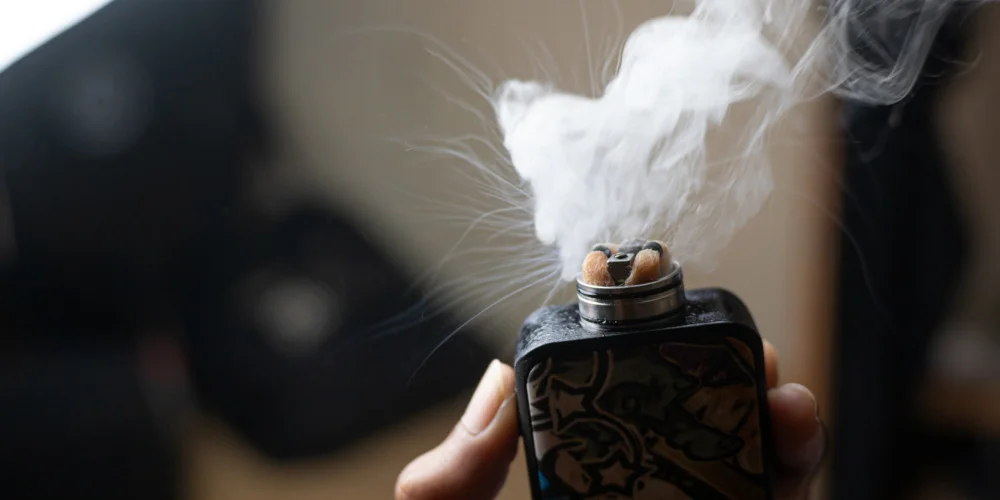
This topic hits a nerve because parents don’t want to admit how common it is, and teens don’t want to admit how addictive it can become. Social media makes it worse by normalising “little highs” as stress relief and by framing adults as paranoid and out of touch. Meanwhile schools are dealing with attention problems, mood swings, anxiety, and kids who cannot sleep or cope without a chemical shift.
This article is about the modern teen drug abuse pattern, and why families who treat it as a phase are often the ones who end up in crisis later.
Why vapes are not just “safer cigarettes” in a developing brain
Vaping is sold as cleaner and safer, and that messaging has made parents relax. The reality is that nicotine addiction can develop quickly, and nicotine changes the way the developing brain handles reward, focus, and stress. Teens who vape often become more anxious without realising why. They become irritable when they can’t vape. They struggle with concentration. They become restless. They start needing nicotine to feel normal.
Parents miss it because vaping doesn’t smell the way cigarettes do. It hides easily. It looks like a habit, not a dependency. The teen also denies it because they think everyone does it, and because the internet treats vaping like style, not addiction.
Weed is not always “chill” when it becomes daily use
Weed has become culturally defended, and teens absorb that defence. They say it helps them sleep. They say it helps anxiety. They say it’s natural. They say it’s not addictive.
The problem is that daily weed use can flatten motivation, increase avoidance, and in some cases worsen anxiety and paranoia. Teen brains are still developing, and heavy cannabis use can interfere with memory, attention, and emotional regulation. Families often notice the teen becoming withdrawn, less engaged, and less interested in life. Parents interpret it as teenage laziness, but the chemical routine can be driving the emotional shift.
Weed dependence in teens often looks like a lifestyle change, the teen stops participating, stops trying, and becomes comfortable with boredom, which is exactly what scares parents.
Codeine cough syrup and the quiet pill culture
Codeine based cough syrups and painkillers have been part of youth drug culture for years, but they’re now amplified by online trends. Teens learn about mixing, dosing, and combinations through social media. The danger is that codeine is an opioid, and it can create dependence even when it starts as experimentation.
Parents often miss it because it comes in a bottle that looks like medicine. Teens can steal it from a cupboard. They can buy it. They can mix it with soft drinks. They can hide it. The first sign a parent sees might be unusual sleepiness, mood swings, poor school performance, and secrecy.
The teen may also start mixing substances, weed with vaping, vaping with alcohol, codeine with weed. Mixing becomes a way to intensify effects, and mixing increases risk, not only medically, but psychologically, because it trains the brain to rely on chemicals for mood management.
Teen anxiety and emotional numbness
A lot of teen drug abuse is not about rebellion. It’s about coping. South African teens are living with pressure, academic stress, social stress, family stress, and constant online comparison. Many have anxiety and don’t know how to manage it. Substances become the shortcut to calm or escape.
This is where families need to stop treating it as a moral issue. You can set boundaries and still be curious. You can enforce consequences and still ask what the teen is trying to numb. The goal is not to punish. The goal is to interrupt a coping system that will become addiction if it continues.
What parents can do without becoming detectives
The instinct is to search phones and police the teen. That can backfire if it becomes the only strategy. Parents need boundaries, but they also need a plan. If a teen is using substances regularly, the family should consider professional assessment. Schools and counsellors can help, but addiction risk needs real evaluation.
Parents can also reduce access, lock up medications, remove alcohol, set clear rules about vaping, and create consequences that are consistent. Consistency matters more than anger. Teens can survive consequences. What they can’t survive long term is a household that is scared to act.
The truth this article forces into the open
If your teen is using chemicals to manage feelings, it is not just a phase, it is a warning. Vaping, weed, and codeine are not harmless lifestyle choices when they become daily coping tools. They are early addiction patterns, and early patterns are easier to interrupt than late stage crises.
This is why the topic sparks debate. Some people will shout that you’re overreacting. Others will recognise their own child and finally feel less alone. That conversation matters, because pretending teen drug abuse is rare is how families get blindsided, and early intervention is how you prevent lifelong addiction.